
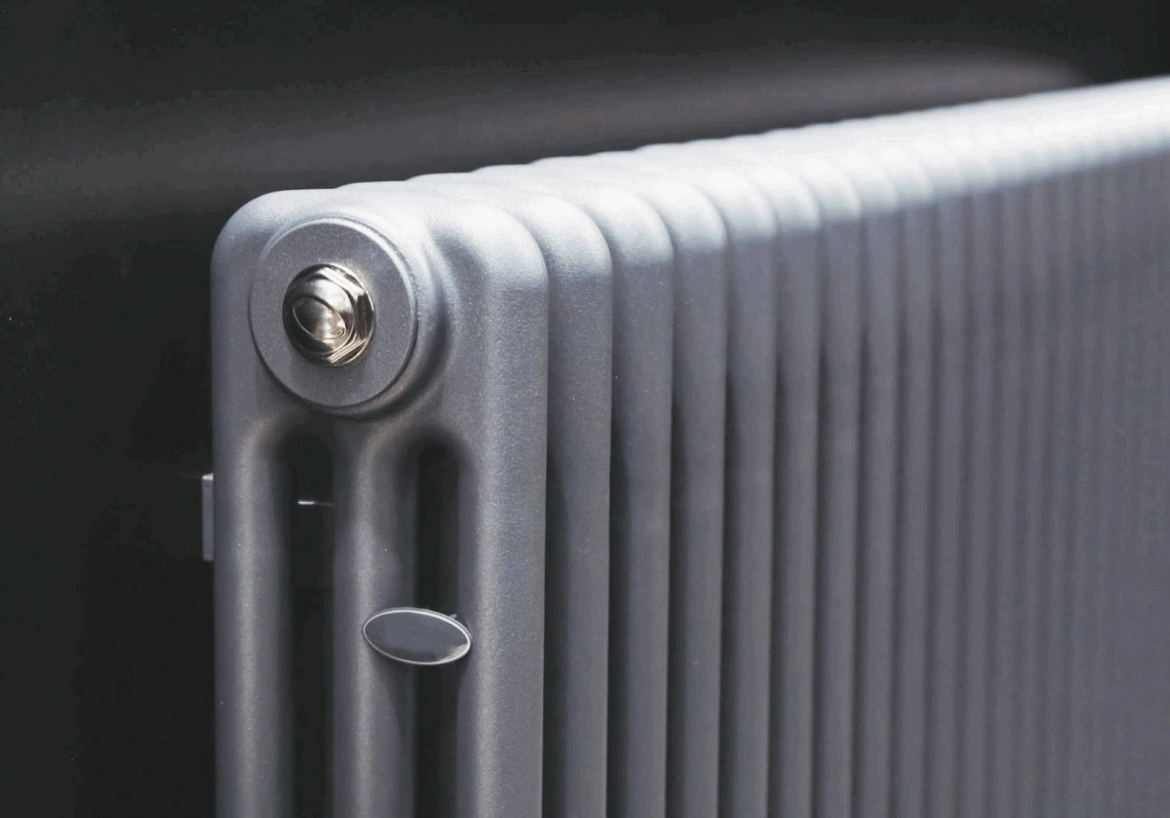
A 3 Column Radiator combines timeless design with modern efficiency, making it a popular choice for both traditional and contemporary homes. With its unique build, impressive heat output, and stylish appeal, this radiator type offers warmth and versatility. Discover how it works, its benefits, and key tips for choosing the right model.
Radiators are more than just heating devices; they are essential features that influence comfort, style, and energy efficiency in your home. One of the most versatile and enduring designs is the 3 Column Radiator. Known for its classic aesthetic and practical performance, it strikes the perfect balance between tradition and innovation. Whether you want a piece that enhances a vintage interior or a radiator that delivers consistent heating power, a three-column design can fit seamlessly into your space. Understanding how this radiator works and what makes it unique will help you make an informed decision when selecting one for your home.
A 3 Column Radiator is built with three vertical columns that run parallel to each other. The space between the columns allows air to circulate freely, increasing heat output and ensuring adequate distribution throughout the room.
Key Features:
- Three-column vertical design
- Strong heat output due to increased surface area
- Available in a range of sizes and finishes
- Suitable for modern and traditional interiors
This design has stood the test of time, offering both efficiency and elegance.
How Does a 3 Column Radiator Work?
The radiator operates by circulating hot water from your central heating system through its vertical columns. Heat is then transferred in two main ways:
- Convection: Warm air rises from the radiator, creating natural circulation across the room.
- Radiation: Heat is emitted directly from the surface, warming objects and people nearby.
This combination ensures steady, even heating across small and large spaces alike.
Benefits of a 3 Column Radiator
High Heat Output
With its multiple columns, this radiator provides more surface area for heat transfer, making it ideal for larger rooms or areas with higher ceilings.
Versatile Style
The design blends traditional charm with modern functionality. It can serve as a statement feature or complement subtle décor.
Flexible Installation
Available in horizontal and vertical options, a 3 Column Radiator fits into different spaces without compromising performance.
Durability
Constructed from robust materials, these radiators are designed for longevity and consistent efficiency.
Comparing 3 Column Radiators with Other Types
- Panel Radiators: Slimmer and more compact, but usually offer less heat output.
- 2 Column Radiators: Provide a similar look but with reduced heat performance compared to three columns.
- Designer Radiators: Stylish and modern, but may not always match the efficiency of a column design.
For those who value a balance of efficiency, durability, and timeless appeal, the three-column option often stands out.
Choosing the Right Size and Output
Before purchasing, it’s essential to calculate the heating requirement for your room. This is measured in BTUs (British Thermal Units).
Tips for Sizing Correctly:
- Use a BTU calculator to determine your needs.
- Consider ceiling height and insulation levels.
- Select a slightly higher output if the room is prone to draughts.
Ensuring the right size prevents overheating and supports energy efficiency.
Placement Matters
Placement plays a crucial role in how effectively a radiator performs. Positioning it under windows helps counteract cold air that seeps through the glass, while free walls in compact rooms are ideal for vertical models that save valuable space. In hallways or entrances, radiators work well to spread warmth into adjoining areas, ensuring a more even temperature throughout the home. Wherever you choose to install your radiator, it’s essential to keep it clear of large furniture or obstructions, as blocking the unit restricts airflow and reduces overall efficiency.
Expert Tips for Getting the Most Out of Your 3 Column Radiator
- Add Thermostatic Valves (TRVs): These allow precise temperature control and save energy.
- Bleed Regularly: Remove trapped air to maintain peak efficiency.
- Use Reflective Panels: Placing them behind radiators prevents heat loss through walls.
- Consider Dual Fuel Options: Useful for year-round flexibility, especially in bathrooms or kitchens.
Key Takeaways
When choosing a 3 Column Radiator, it’s important to keep a few essentials in mind. Thanks to its increased surface area, this design provides excellent heat output, making it a reliable option for larger or colder spaces. It also blends traditional style with modern efficiency, offering both aesthetic appeal and practical performance. With flexible installation options in vertical or horizontal layouts, it can be adapted to suit different room shapes and sizes. Correct sizing, based on accurate BTU calculations, is vital to ensure optimal performance. Finally, placing the radiator strategically within the room helps maximise airflow and distribute heat evenly.
Middle Anchor Placement
Choosing a 3 Column Radiator is not just about heating—it’s about making a wise, long-term investment in comfort and style. With proper planning, the right model can add character, deliver powerful warmth, and improve efficiency in your home.
Conclusion
A 3 Column Radiator is a timeless heating solution that combines elegance with efficiency. Its classic design, powerful performance, and versatile installation make it an excellent choice for both traditional and modern spaces. By understanding its function, benefits, and best practices, you can select a model that enhances both comfort and style in your home. With careful sizing, placement, and maintenance, this radiator becomes more than just a heating source—it’s a feature that improves your