

Image 1 Yoga and breathwork becoming part of modern preventive healthcare science backed evidence
Something significant is happening in healthcare.
Not in alternative medicine. Not in wellness retreats. In hospitals, medical schools, cardiac rehabilitation centres, and mental health clinics across the United States, United Kingdom, Australia, and India.
Yoga and breathwork are being prescribed.
Not as complementary extras added to conventional treatment but as primary interventions for conditions ranging from hypertension and chronic pain to anxiety, depression, and autoimmune dysfunction. The shift is not ideological. It is evidence-based. And it is accelerating.
Here is why.
The Crisis That Is Driving the Shift
Modern healthcare is extraordinarily good at treating acute illness. Infections, injuries, surgical emergencies — the tools of modern medicine are unparalleled for these.
Where it struggles is chronic disease.
Cardiovascular disease, type 2 diabetes, chronic pain, anxiety disorders, depression, autoimmune conditions — these account for the majority of healthcare expenditure in every developed country and they share a common upstream cause that pharmaceuticals and surgery address poorly.
Chronic physiological stress.
The sustained activation of the sympathetic nervous system, elevated cortisol, systemic inflammation, impaired sleep, disrupted digestion, and suppressed immune function that characterise modern life are the soil in which most chronic disease grows. Treating the diseases without addressing the soil produces marginal and temporary results at extraordinary cost.
This is the gap that yoga and breathwork are filling. Not as alternatives to medicine but as upstream interventions that address the physiological conditions that make chronic disease possible.
What the Research Actually Shows
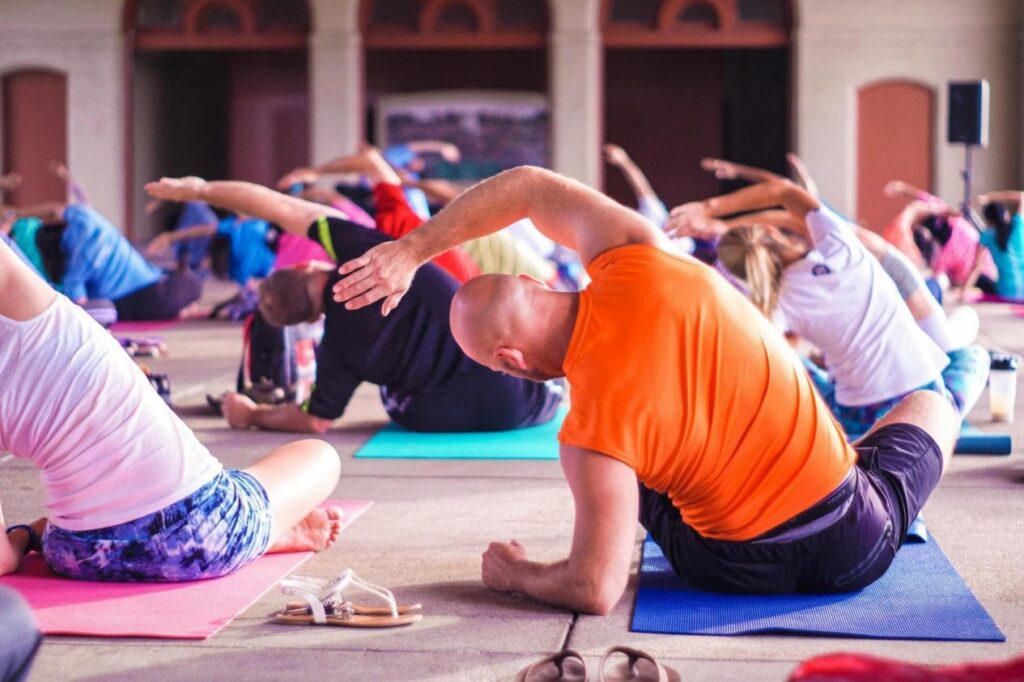
Image 2 Scientific research on yoga and breathwork for preventive healthcare and chronic disease prevention
The evidence base has reached a point where dismissal requires ignoring a significant body of peer-reviewed research.
A 2019 meta-analysis published in the European Journal of Preventive Cardiology analysed 37 randomised controlled trials and found that yoga significantly reduced systolic blood pressure, diastolic blood pressure, heart rate, and LDL cholesterol compared to control groups — results comparable to moderate aerobic exercise [https://academic.oup.com/eurjpc/article/26/9/1000/5925230].
A 2021 systematic review in JAMA Internal Medicine confirmed that mindfulness-based interventions incorporating breathwork significantly reduced symptoms of anxiety, depression, and chronic pain across clinical populations, with effect sizes comparable to antidepressant medication for mild to moderate presentations [https://jamanetwork.com/journals/jamainternalmedicine/fullarticle/2724391].
Research from the All India Institute of Medical Sciences found that pranayama practice significantly improved pulmonary function, reduced inflammatory markers, and improved quality of life in patients with chronic obstructive pulmonary disease — a condition for which conventional medicine offers management but no reversal.
These are not small studies in wellness magazines. These are randomised controlled trials published in some of the most rigorous peer-reviewed journals in medicine.
Why Preventive Healthcare Specifically
The most significant shift is not in treatment but in prevention.
Preventive healthcare operates on a simple principle — intervening before disease develops is more effective and less costly than treating it after it appears.
The challenge has always been finding interventions that are safe, accessible, scalable, and genuinely effective at modifying the upstream risk factors for chronic disease.
Yoga and breathwork meet every one of these criteria.
They are safe — with an excellent adverse event profile compared to most pharmacological interventions. They are accessible requiring no equipment and minimal cost.
They are scalable teachable in groups, online, and across cultural contexts. And they are genuinely effective at modifying the specific physiological risk factors chronic stress, inflammation, autonomic dysregulation, poor sleep that sit upstream of most chronic disease.
The World Health Organisation’s 2020 guidelines on physical activity and sedentary behaviour specifically include mind-body practices such as yoga as recommended interventions for health promotion across all age groups.
This is not a marginal endorsement. It is a global health authority officially recognising what traditional wellness systems have understood for millennia.
Dedicated pranayama and meditation courses teach exactly this complete system — breath regulation understood not as a relaxation technique but as a direct physiological intervention with measurable clinical outcomes.
How Hospitals and Clinics Are Integrating These Practices

Image 3 : Hospitals and clinics integrating yoga and breathwork into preventive healthcare programmes
The integration is already underway in leading healthcare institutions globally.
The Cleveland Clinic, one of the most respected medical centres in the United States, has offered yoga and breathwork as part of its integrative medicine programme for over a decade, with specific protocols for cardiac rehabilitation, chronic pain, and oncology support.
The UK’s National Health Service has incorporated mindfulness-based cognitive therapy, which includes breathwork as a central component, into its official treatment guidelines for recurrent depression — making it one of the first national health systems to formally prescribe a practice rooted in contemplative tradition.
Apollo Hospitals in India has integrated yoga therapy into its cardiac and diabetes management programmes, with published outcomes showing measurable improvements in blood glucose control, cardiovascular markers, and patient quality of life.
These are not fringe institutions experimenting with alternative medicine. These are mainstream medical centres responding to evidence.
The Mechanism — Why These Practices Work
Understanding why yoga and breathwork produce these outcomes requires understanding the autonomic nervous system.
The autonomic nervous system governs every involuntary function of the body — heart rate, blood pressure, digestion, immune response, hormonal regulation, and sleep. It operates in two primary modes: sympathetic, which activates the body for action, and parasympathetic, which governs rest, repair, and restoration.
Chronic disease is almost universally associated with chronic sympathetic dominance — a nervous system stuck in activation mode, continuously producing the stress hormones and inflammatory signals that, over time, damage cardiovascular tissue, impair insulin sensitivity, suppress immune function, and disrupt sleep architecture.
Yoga and breathwork are the most direct non-pharmacological interventions available for restoring parasympathetic tone.
Slow diaphragmatic breathing stimulates the vagus nerve the primary pathway of the parasympathetic nervous system producing measurable reductions in cortisol, heart rate, blood pressure, and inflammatory markers within a single session.
Practiced consistently, these changes accumulate. The nervous system recalibrates. The baseline shifts. The upstream conditions that generate chronic disease begin to resolve.
The Role of Traditional Training in Evidence-Based Practice
The growing integration of yoga and breathwork into mainstream healthcare has created an important question — who is qualified to teach these practices in clinical contexts?
The answer requires understanding the difference between a yoga fitness instructor and a practitioner trained in the complete traditional system.
For healthcare professionals and serious practitioners who want to understand the complete system behind these practices how asana, pranayama, Ayurvedic lifestyle, and yogic philosophy interact as a unified science of health yoga teacher training in Rishikesh India offers this depth within a structured traditional framework that has been producing qualified practitioners for decades.
The evidence base for these practices is now strong enough that understanding them superficially is no longer sufficient. Preventive healthcare deserves practitioners who understand the complete system.
What This Means for the Future of Healthcare
The trajectory is clear.
As healthcare systems globally face the unsustainable costs of chronic disease management, the pressure to find effective upstream interventions will only increase. Yoga and breathwork offer a proven, scalable, cost-effective answer that is already being implemented in leading institutions.
The question is no longer whether these practices belong in modern healthcare. The evidence has settled that. The question is how quickly the healthcare system can develop the infrastructure, training standards, and cultural frameworks to integrate them at scale.
For practitioners, healthcare professionals, and individuals interested in genuine preventive health, the answer to that question does not require waiting for the system to catch up.
The practices are available now. The evidence is available now. The only missing ingredient is the decision to begin.
Author Bio: Arjun Shah is a wellness writer and health researcher with a deep interest in the integration of traditional Indian wellness practices into modern preventive healthcare. He writes on yoga, breathwork, Ayurveda, and the science of nervous system regulation. He works closely with Adhiroha Yoga Centre in Rishikesh, India. adhiroha.com