
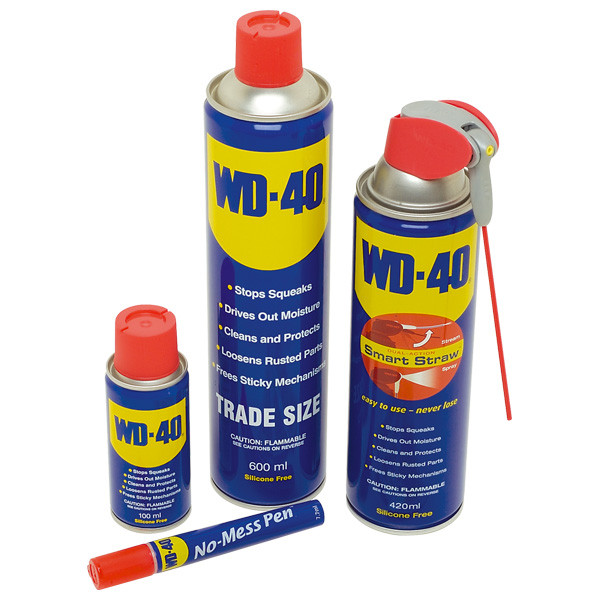
In industrial environments, machinery operates under demanding conditions that often expose metal components to moisture, dust, chemicals, and temperature fluctuations. Over time, these factors can lead to corrosion and rust, causing bolts, joints, gears, and fittings to seize. When this happens, disassembly becomes difficult and sometimes impossible without the proper solution.
This is where Industrial penetrating oils play a crucial role. Designed to seep into tight spaces and break the bond between rusted metal surfaces, these oils help restore movement and simplify maintenance tasks. However, not all penetrating oils perform the same way, and selecting the right option can make a significant difference in efficiency, safety, and equipment longevity.
This guide explains how to evaluate and choose the most effective penetrating oil for rusted machinery while understanding how it complements the broader role of an Industrial lubricant in maintenance programs.
Understanding the Role of Penetrating Oils in Industrial Maintenance
Before selecting a penetrating oil, it is important to understand what makes it different from other lubricants. A penetrating oil is formulated with extremely low viscosity and specialized additives that allow it to travel deep into microscopic gaps between corroded metal surfaces.
When rust forms, it creates a rough, porous layer that locks metal parts together. Traditional lubrication alone cannot easily break this bond. Penetrating oils work by loosening rust particles, dissolving oxidation buildup, and lubricating the surfaces enough to allow movement.
Although penetrating oils are technically a category of Industrial lubricant, their primary purpose is not long term lubrication. Instead, they are used to free stuck components so that repair, replacement, or proper lubrication can follow.
Maintenance teams rely on penetrating oils when dealing with:
Rusted bolts and nuts
Frozen bearings and hinges
Seized mechanical joints
Corroded fasteners on heavy equipment
Parts exposed to outdoor or humid conditions
In these situations, choosing the right penetrating oil can significantly reduce downtime and prevent costly component damage.
Key Factors to Consider When Selecting Industrial Penetrating Oils
Choosing the right penetrating oil requires careful evaluation of several performance factors. The best choice will depend on the environment, the type of rust present, and the machinery involved.
1. Penetration Capability
The defining feature of penetrating oils is their ability to reach extremely tight spaces. High quality oils have low surface tension, allowing them to creep into microscopic gaps between rusted threads or metal surfaces.
When selecting a product, look for formulations specifically engineered for deep penetration. This ensures that the oil can reach the root of corrosion rather than simply coating the outer surface.
Better penetration results in faster loosening of seized components and reduces the need for excessive force during maintenance.
2. Rust Dissolving Performance
Not all penetrating oils are equally effective at breaking down rust. Advanced formulations often contain additives designed to chemically interact with oxidation layers.
These additives help soften and weaken rust bonds, allowing metal parts to separate more easily. Strong rust dissolving performance is particularly important when dealing with equipment that has been exposed to corrosion for long periods.
Maintenance teams working with outdoor infrastructure, agricultural equipment, or marine machinery should prioritize penetrating oils with enhanced corrosion breaking capabilities.
3. Lubrication After Penetration
While the main role of penetrating oils is to free stuck components, a good formulation also provides temporary lubrication once the parts begin to move.
This lubrication reduces friction during disassembly and helps prevent additional damage to threads or mechanical surfaces.
Because penetrating oils function as a specialized Industrial lubricant, they should leave behind a thin protective film that helps protect metal surfaces until a permanent lubricant is applied.
4. Corrosion Protection
After rusted components are freed, they remain vulnerable to further corrosion. Some penetrating oils include protective additives that create a barrier against moisture and oxidation.
This feature is especially valuable in industries where equipment operates in humid, wet, or chemically aggressive environments.
Short term corrosion protection allows maintenance crews time to complete repairs and apply long term protective coatings or lubricants.
5. Compatibility With Different Materials
Industrial machinery contains a variety of materials including steel, aluminum, copper alloys, plastics, and rubber seals. The wrong penetrating oil may damage sensitive components or degrade protective coatings.
High quality Industrial penetrating oils are formulated to be compatible with a wide range of materials. Maintenance teams should verify compatibility with seals, gaskets, and painted surfaces before applying the product widely.
This ensures that the solution solves the rust problem without creating additional maintenance issues.
Evaluating Environmental Conditions
The operating environment of machinery plays a major role in determining the best penetrating oil for the job.
High Humidity and Outdoor Environments
Machinery used outdoors or in coastal regions is exposed to high humidity and salt, which accelerate corrosion. Penetrating oils used in these environments should include strong corrosion inhibitors.
These additives help protect metal surfaces from further oxidation after the rust bond is broken.
Dusty or Dirty Worksites
Industrial facilities such as construction sites, mining operations, and manufacturing plants often contain high levels of dust and debris. In these environments, penetrating oils should resist contamination and avoid forming sticky residues that attract dirt.
Clean penetrating action ensures that freed components can continue to function smoothly.
High Temperature Machinery
Some industrial equipment operates under high temperature conditions. Penetrating oils used in these applications must remain stable and effective even when exposed to heat.
Heat resistant formulations ensure consistent performance and prevent breakdown that could reduce penetration ability.
Application Methods and Ease of Use
Another important factor in selecting penetrating oils is the method of application. Maintenance teams benefit from products that are easy to apply in tight or hard to reach areas.
Common application methods include precision spray systems, direct application tools, and controlled dispensing mechanisms.
Efficient application allows technicians to target rusted components without wasting material or contaminating nearby equipment.
Ease of use also improves workplace safety, especially when working on complex machinery where access may be limited.
Integrating Penetrating Oils Into a Preventive Maintenance Strategy
Penetrating oils are most effective when they are used as part of a comprehensive maintenance program rather than only during emergency repairs.
Routine inspections can identify early signs of rust formation around fasteners, hinges, and joints. Applying penetrating oils proactively can prevent components from becoming fully seized.
Once parts are freed and repaired, applying a long term Industrial lubricant ensures that machinery continues to operate smoothly and remains protected from corrosion.
By combining penetrating oils with proper lubrication practices, maintenance teams can extend equipment life and reduce unexpected breakdowns.
Common Mistakes to Avoid When Using Penetrating Oils
Even the most advanced penetrating oils may not deliver optimal results if used incorrectly. Several common mistakes can reduce effectiveness.
One mistake is applying too little product. Rusted components often require enough oil to fully penetrate the corrosion layer. Insufficient application may leave parts partially seized.
Another mistake is not allowing enough time for the oil to work. Penetrating oils require time to travel into tight spaces and break rust bonds. Rushing the process may lead technicians to apply unnecessary force, potentially damaging parts.
Using penetrating oils as a long term lubricant is another misconception. While they provide temporary lubrication, they should always be followed by a dedicated Industrial lubricant designed for continuous operation.
Avoiding these mistakes ensures that maintenance teams get the maximum benefit from penetrating oil applications.
The Value of Choosing the Right Industrial Penetrating Oil
In industrial operations, even a single rusted fastener can delay repairs, halt production, and increase maintenance costs. The right penetrating oil can transform a difficult repair into a straightforward task.
High performance Industrial penetrating oils offer deep penetration, rust dissolving capability, temporary lubrication, and corrosion protection. These qualities allow maintenance teams to safely loosen seized components without damaging equipment.
When paired with a reliable Industrial lubricant for long term protection, penetrating oils become an essential part of modern machinery maintenance.
Rusted machinery is a common challenge across industries, from manufacturing and construction to agriculture and transportation. Choosing the right penetrating oil is not simply about convenience. It is about maintaining productivity, protecting equipment, and reducing costly downtime.
By evaluating penetration ability, rust dissolving performance, lubrication properties, environmental compatibility, and ease of application, maintenance professionals can select the most effective solution for their needs.
When used correctly and integrated with a comprehensive lubrication strategy, Industrial penetrating oils help restore movement, simplify repairs, and keep industrial equipment operating reliably for years to come.