
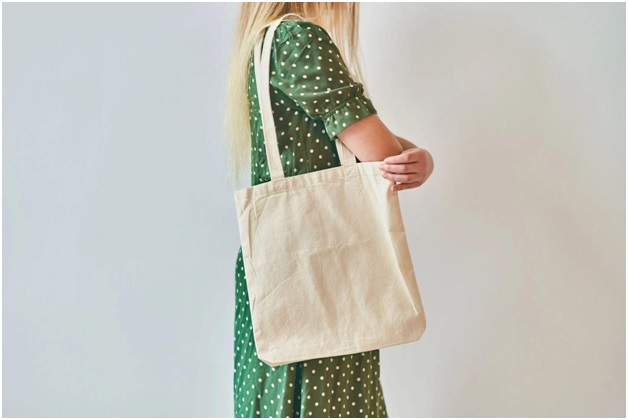
Tote bags have become everyday essentials, balancing practicality with brand visibility. From lightweight cotton to structured canvas and modern blends, material choice defines durability, print quality, and overall feel. Understanding these options helps businesses and individuals select tote bags that align with use, aesthetics, and long-term value.
Custom tote bags are no longer just functional carriers. They reflect brand identity, support repeated use, and influence how a printed design looks and feels over time. Among the many options available, canvas printed tote bags often stand out for their balance of strength, structure, and visual appeal. However, canvas is only one of several commonly used materials, each with its own strengths and limitations.
Understanding these materials helps ensure the finished tote bag performs as expected, whether it is designed for promotional use, retail packaging, or everyday carrying.
Cotton Fabric
Lightweight and versatile
Cotton remains one of the most widely used materials for custom tote bags. It is breathable, flexible, and comfortable to carry, making it suitable for lighter loads and short-term use. Cotton bags fold easily and feel soft in hand, which appeals to users looking for a natural, understated finish.
Print clarity and surface feel
The smooth weave of cotton provides a reliable surface for printed designs. Ink absorption tends to be even, allowing logos and text to appear clear without heavy saturation. While cotton may not hold shape as firmly as thicker fabrics, it performs well where simplicity and cost control are priorities.
Canvas Fabric
Strength with structure
Canvas is a heavier, more tightly woven form of cotton or cotton blend. Its density gives tote bags noticeable structure and durability, allowing them to carry heavier items without losing shape. This makes canvas a preferred option for repeated use and longer product life.
Visual impact and longevity
Designs printed on canvas benefit from a stable surface that resists stretching. In the middle of many material comparisons, canvas printed tote bags are often highlighted for their ability to retain both shape and print definition after extended use. The fabric supports bold graphics, solid colours, and detailed branding with minimal distortion.
Jute Fabric
Natural texture and rigidity
Jute is a coarse, plant-based fibre known for its firm texture and rustic appearance. It creates tote bags with a strong visual presence and high load-bearing capacity. The fabric naturally holds its form, which suits boxy or upright bag styles.
Considerations for printing
While jute is durable, its uneven surface can limit fine detail in printed designs. Simple logos and high-contrast graphics tend to perform best. Jute is often chosen where material appearance is as important as function.
Polyester and Synthetic Blends
Lightweight and moisture-resistant
Polyester and blended fabrics are commonly used where weight control and resistance to moisture are important. These materials dry quickly and maintain colour consistency, even with frequent handling.
Consistency and finish
Synthetic surfaces offer predictable printing results, particularly for digital methods. However, they lack the tactile warmth of natural fibres. Polyester tote bags suit practical applications but may feel less premium depending on the finish.
Non-Woven Polypropylene
Cost-efficient and flexible
Non-woven materials are widely used for short-term promotions and events. They are lightweight, economical, and easy to produce in large quantities. The fabric structure is bonded rather than woven, which keeps costs low.
Durability limits
While suitable for light loads, non-woven tote bags are not designed for long-term use. Print quality is adequate for simple designs, but the material may show wear more quickly compared to woven alternatives.
Blended and Specialty Fabrics
Combining performance benefits
Blended fabrics mix natural and synthetic fibres to balance durability, flexibility, and cost. These materials can improve resistance to shrinking or creasing while retaining a fabric-like appearance.
Application-focused choices
Specialty blends are often selected based on specific needs, such as improved colour retention or reduced weight. Understanding the intended use helps determine whether a blended option adds value over single-fibre materials.
Practical Tips for Choosing Tote Bag Materials
- Match fabric weight to expected load and frequency of use
- Consider how important print sharpness is for your design
- Balance cost with durability to avoid premature wear
- Think about how the bag will feel when carried for longer periods
- Choose materials that align with the desired brand perception
These considerations apply across all materials and help narrow choices based on practical outcomes rather than appearance alone.
Final Summary
Material selection plays a central role in how custom tote bags perform, look, and last. From lightweight cotton to structured canvas and modern blends, each option serves a distinct purpose. For many applications, canvas printed tote bags offer a reliable balance of durability, print quality, and everyday usability. When chosen thoughtfully, the right material ensures the tote bag remains functional, visually consistent, and fit for repeated use.