Water quality plays a far bigger role in household expenses than most homeowners realise. Beyond health and taste, the type of water you use directly impacts the lifespan and performance of everyday appliances such as washing machines, dishwashers, geysers, coffee makers, and even kitchen faucets. Choosing the right water purifier is not just a health decision; it’s a smart financial one that can significantly reduce long-term appliance maintenance costs.
The Hidden Cost of Poor Water Quality
Untreated or poorly treated water often contains excess total dissolved solids (TDS), hardness minerals like calcium and magnesium, sediments, chlorine, and other impurities. Over time, these elements:
- Causes limescale buildup inside heating elements and pipes
- Lead to clogging of valves and nozzles
- Accelerate corrosion of metal components
- Reduce heating efficiency and increase electricity consumption
As a result, appliances require more frequent servicing, part replacements, and, in severe cases, early replacement, adding to recurring household expenses.
How the Right Water Purifier Makes a Difference
A well-chosen RO or UV water purifier acts as the first line of defence, ensuring that only clean, balanced water enters your home systems. Here’s how it helps lower maintenance costs:
1. Prevents Scale Formation
Purifiers designed for high-TDS or hard water, such as UV or RO-based systems, remove excess minerals that cause scaling. This protects appliances like water heaters, kettles, and washing machines from internal deposits that reduce efficiency and damage components.
2. Reduces Sediment Damage
Sediment filters trap sand, rust, and dirt particles before they reach appliances. This prevents abrasion and blockages in internal pipes, pumps, and spray arms, especially in dishwashers and washing machines.
3. Protects Heating Elements
Chlorine and dissolved salts can corrode heating rods in geysers and coffee machines. Advanced purification technologies reduce these corrosive elements, extending the life of heating components and minimising breakdowns.
4. Improves Appliance Efficiency
Clean, balanced water allows appliances to operate at optimal performance. Heating elements heat faster, pumps work smoothly, and motors face less resistance—resulting in lower energy bills and fewer service calls.
Matching the Purifier to Your Water Source
Not all water purifiers are the same, and choosing the wrong type can be ineffective or unnecessarily expensive. The key is to match the purifier to your local water quality:
- High TDS / Borewell water: RO-based purifiers with multi-stage filtration
- Municipal water with chlorine: UV or UF purifiers with sediment and carbon filters
- Mixed water sources: Advanced RO + UV/UF systems for comprehensive protection
Selecting the right system ensures you remove only harmful impurities while retaining essential minerals, protecting both health and appliances.
Long-Term Savings Beyond Repairs
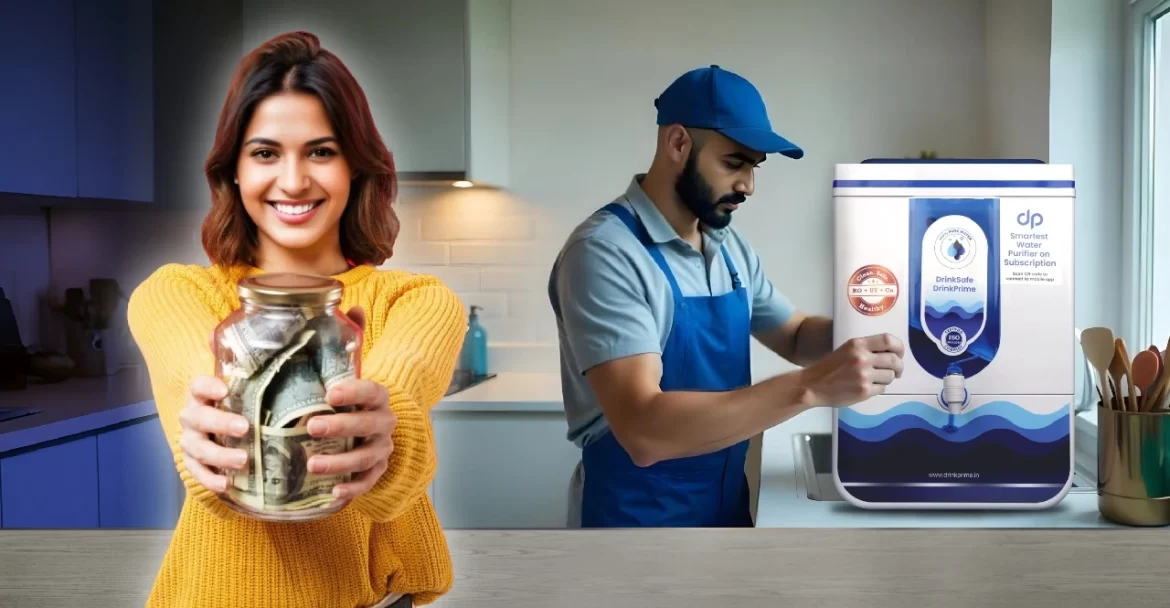
While a quality water purifier may seem like an upfront investment, it delivers substantial long-term savings by:
- Reducing appliance servicing frequency
- Minimising part replacements
- Lowering energy consumption
- Extending the usable life of expensive home appliances
Over time, these savings often exceed the initial cost of the purifier itself.
Conclusion
The water you use every day quietly affects how long your appliances last. Hard minerals, sediment, and impurities slowly damage internal parts, leading to frequent repairs and higher maintenance costs. Choosing the right water purifier helps prevent this damage before it starts. Appliances run better, need less servicing, and last longer. Over time, that means fewer breakdowns, lower expenses, and better value from everything you use at home. Clean water isn’t just good for drinking; it’s good for your appliances and your budget too.